
We have several options available - scroll down to see all that is on offer in Georgia!
Option 1:
Amazing Georgia
8 Days/7 Nights
Option 2:
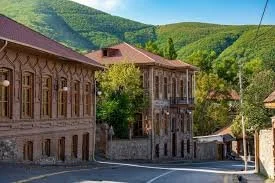
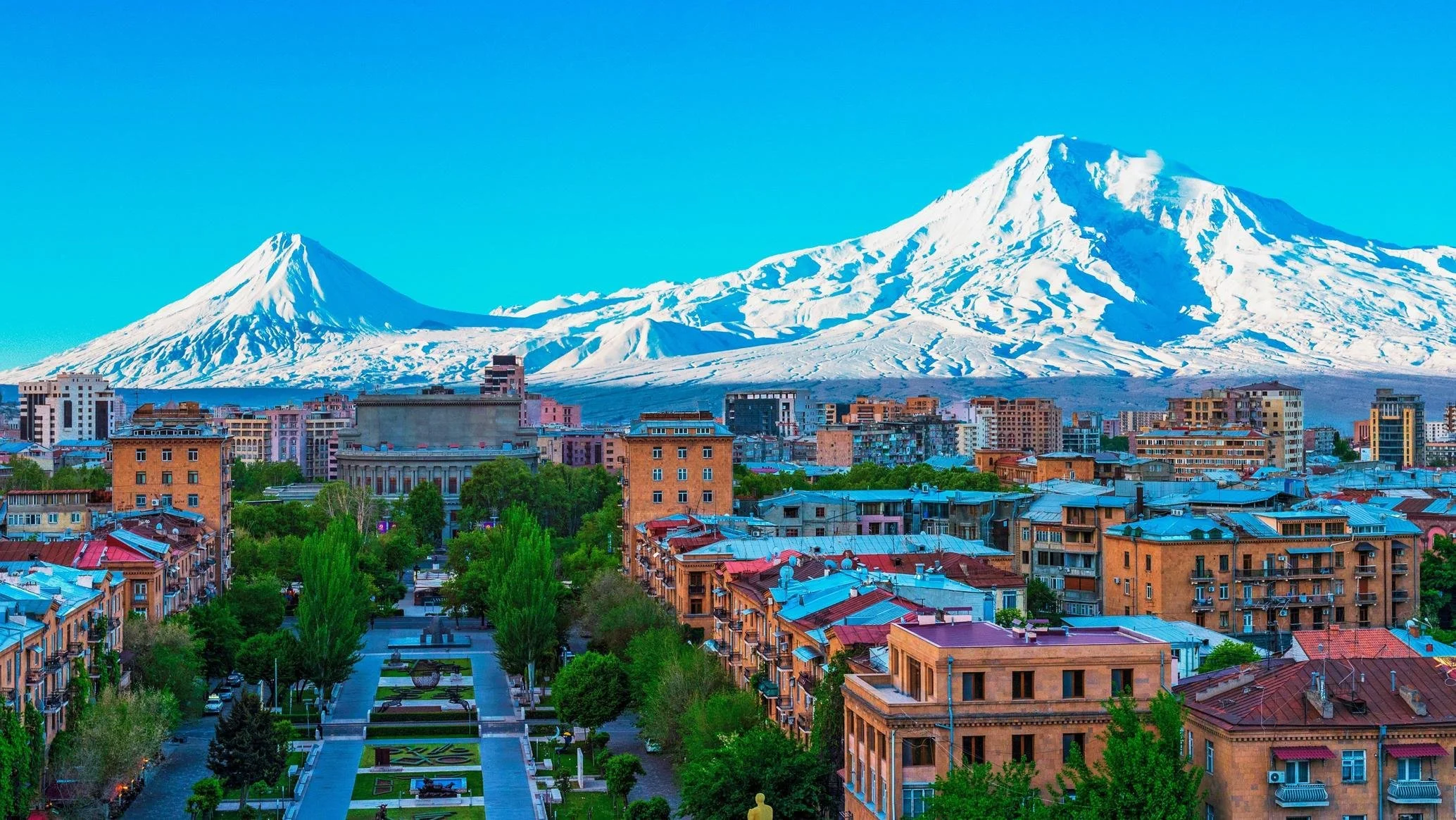
Azerbaijan - Georgia - Armenia
13 Days/12 Nights
Option 3:
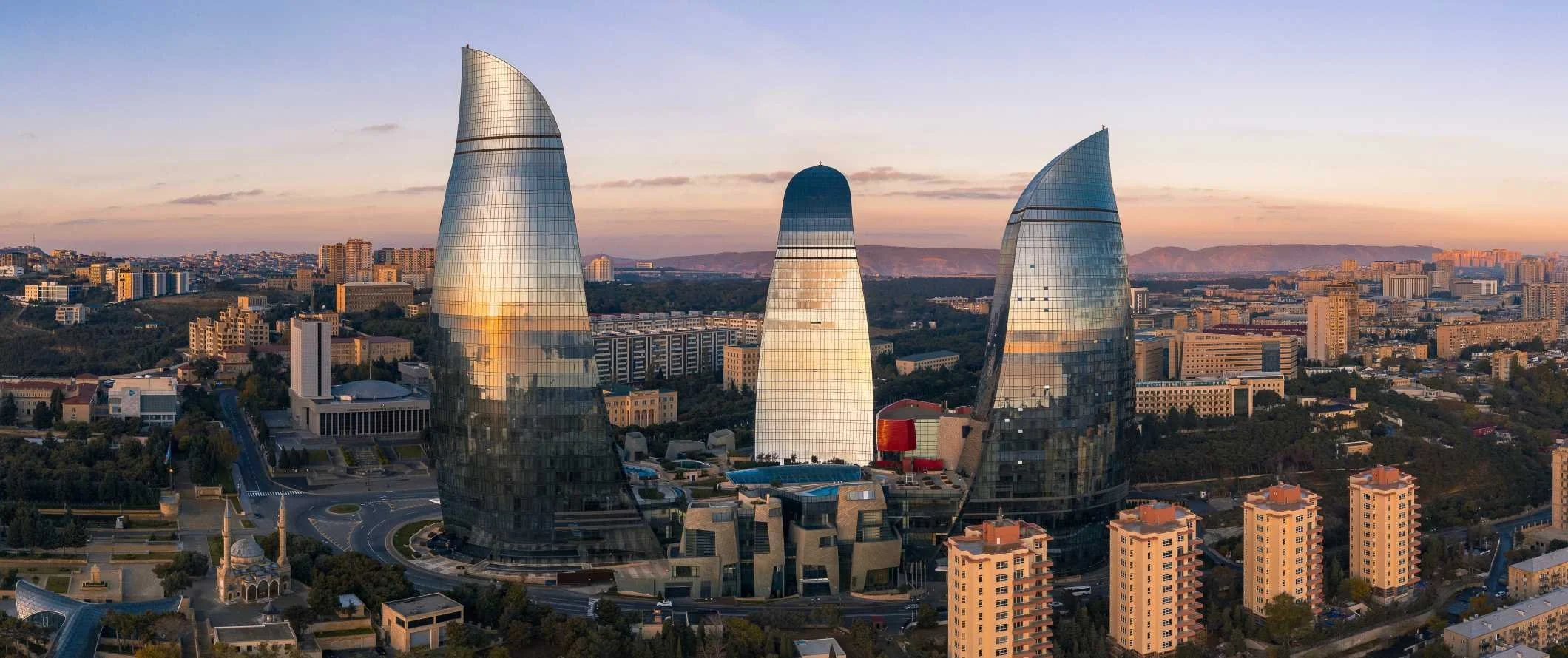
Azerbaijan - Georgia
9 Days/8 Nights
Option 4:
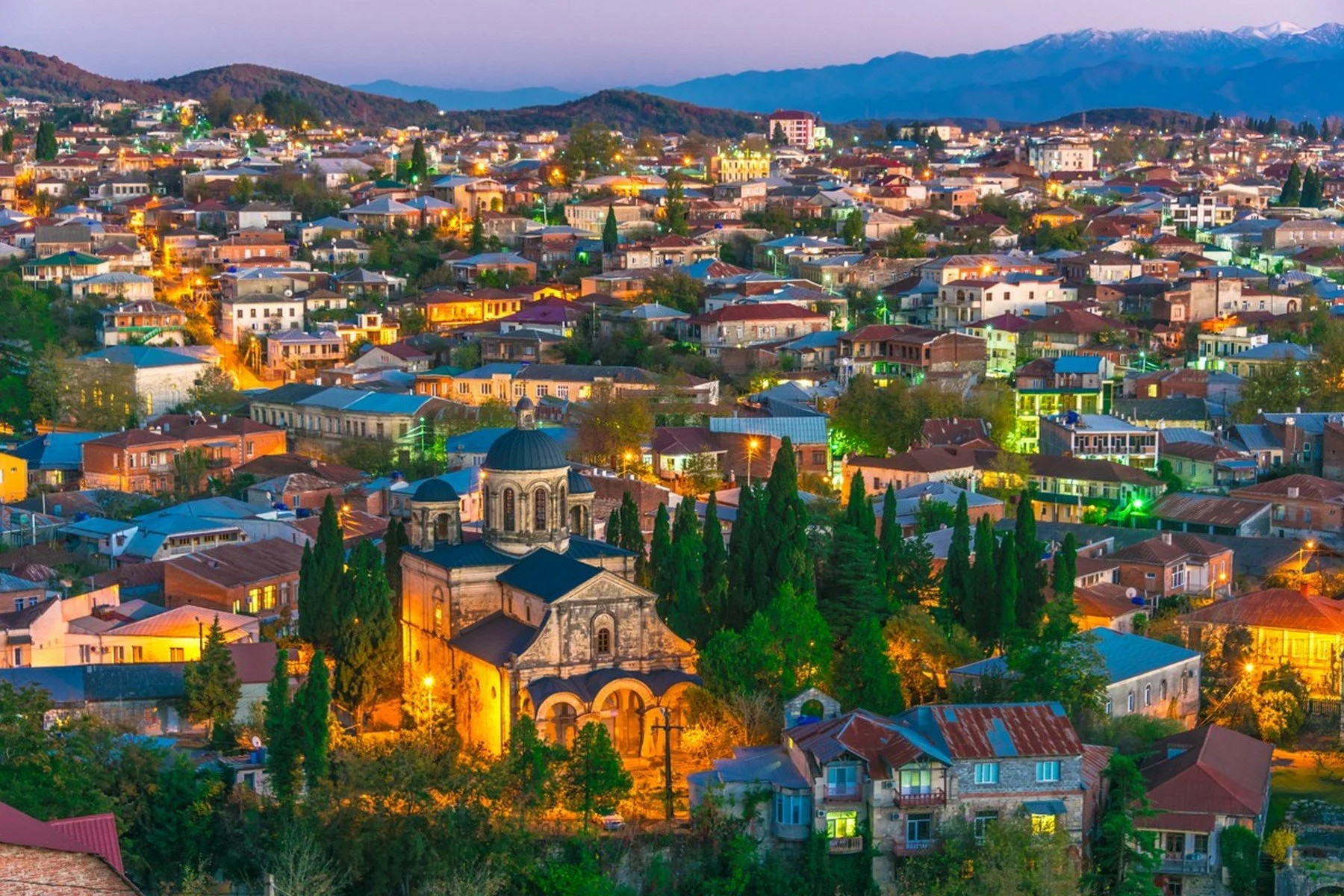
Georgia -Armenia
9 Days/8 Nights
Option 5:
Discover Amazing Georgia
12 Days/11 Nights
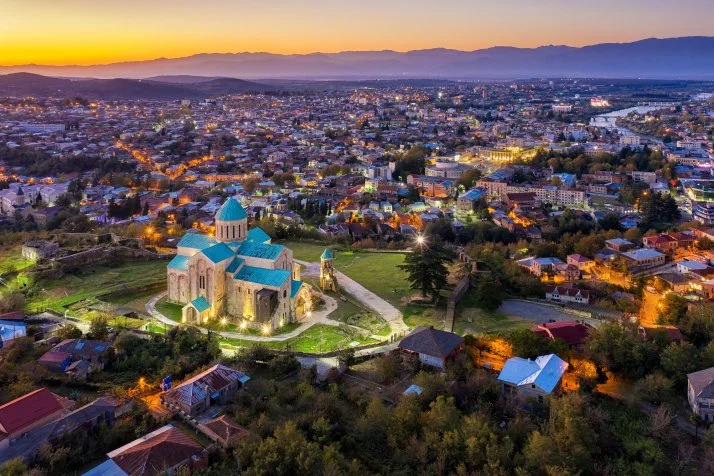
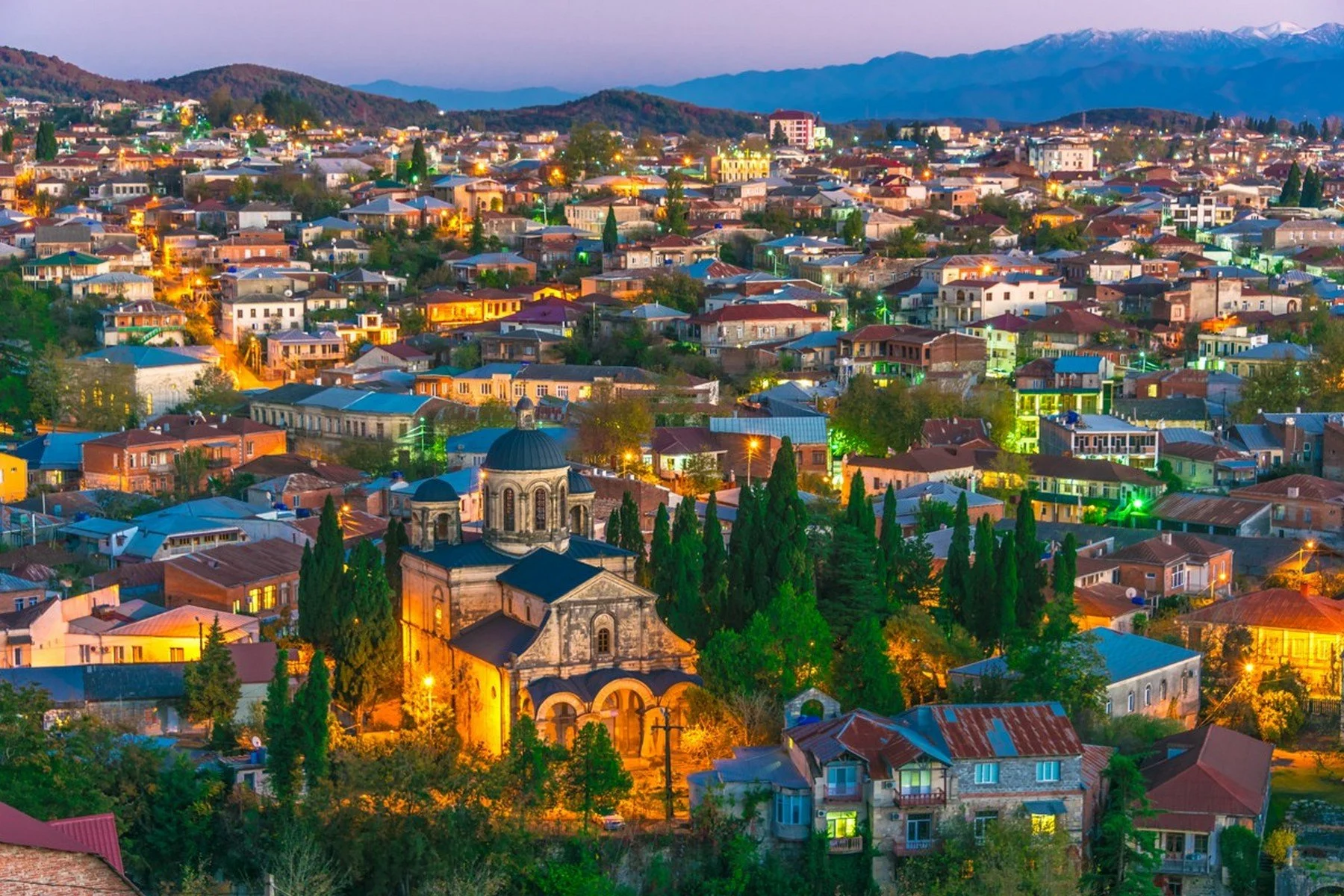
Explore Georgia—one of the oldest countries, still preserving its unique culture, centuries-old history, language, and original ancestral traditions, alongside its Christian faith. Experience breathtaking landscapes dotted with monasteries of unique charm, which symbolize the resilience of a people throughout the region's turbulent history. All this will define your journey.
Group size 2-20.
Day 1 (Saturday) Arrival in Tbilisi
Arrival at Tbilisi International Airport, located 17 km southeast of the capital. Overnight at the hotel in Tbilisi. (Optional: Transfer to the hotel.)
Day 2 (Sunday) Tbilisi - Mtskheta - Tbilisi (50km)
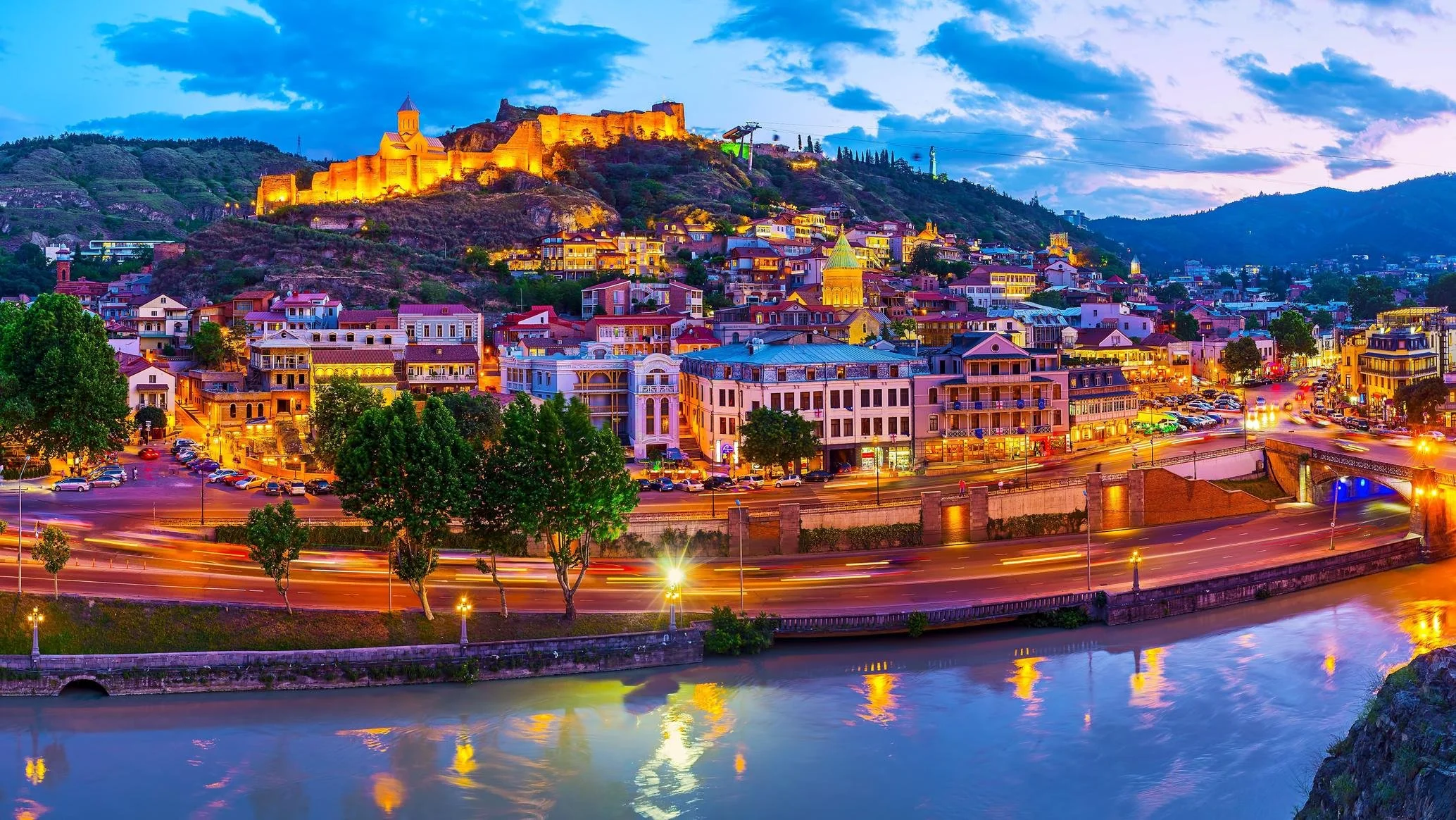
Today, we visit Tbilisi, the capital of Georgia, built in the 5th century. We start our day with the medieval church of Metekhi (13th century), and then we go up by cable car to the Narikala fortress, which majestically overlooks the old quarter of the city. We continue the discovery of the old city: the district of sulfur baths (17th century); the name of the capital is precisely inspired by these hot sulfurous springs, "Tbili" means hot in Georgian. Then we visit the Sioni Cathedral (16th century) and Anchiskhati (6th century), the oldest church in the city. Walk on Rustaveli Avenue - the main avenue of the city. Later, we take the road to the ancient capital of Georgia, Mtskheta, located at the intersection of the Military Road and the Silk Road. Here we visit two UNESCO World Heritage sites: the Jvari Monastery (6th century) with its splendid view of the confluence of the Mtkvari and Aragvi rivers and the Svetitskhoveli Cathedral (11th century), considered one of the most sacred places in Georgia because it is here that the tunic that is said to have belonged to Christ is kept. Return to the capital. Overnight at the hotel in Tbilisi. (B/L/-)
Day 3 (Monday) Tbilisi - Stepantsminda - Ananuri - Tbilisi (310km)
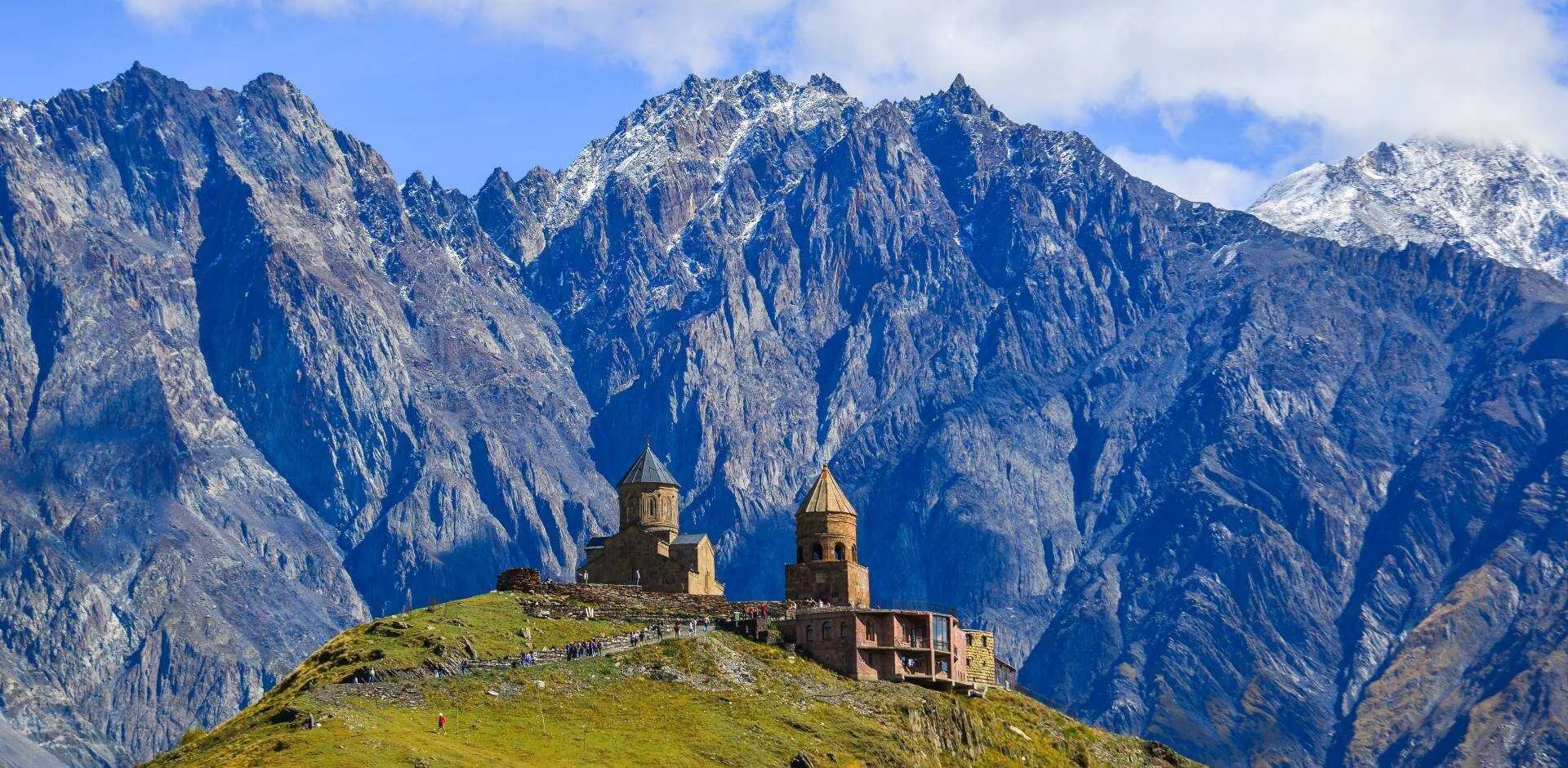
This morning, we follow the Georgian Military Road to the north. We pass through Gudauri (2,200m), a winter sports resort on the southern slope of the Greater Caucasus mountain range. We cross the Cross Pass (2,395 meters above sea level) and arrive at the village of Stepantsminda, located at the foot of the impressive Mount Kazbek (5,047 meters above sea level), which marks the border with Russia. We reach the 14th-century Trinity Monastery of Gergeti by 4X4. Perched at an altitude of 2,170m on a promontory, it is the most spectacular image of the Greater Caucasus. Lunch in Stepantsminda. On the way back to Tbilisi, we visit the fortified complex of Ananuri (17th century), one of the major sites of the country, next to the blue lake of Jinvali. In the evening, return to Tbilisi. Overnight at the hotel. (B/L/-)
Day 4 (Tuesday) Tbilisi - David Garedja - Kakabeti - Tbilisi (235km)
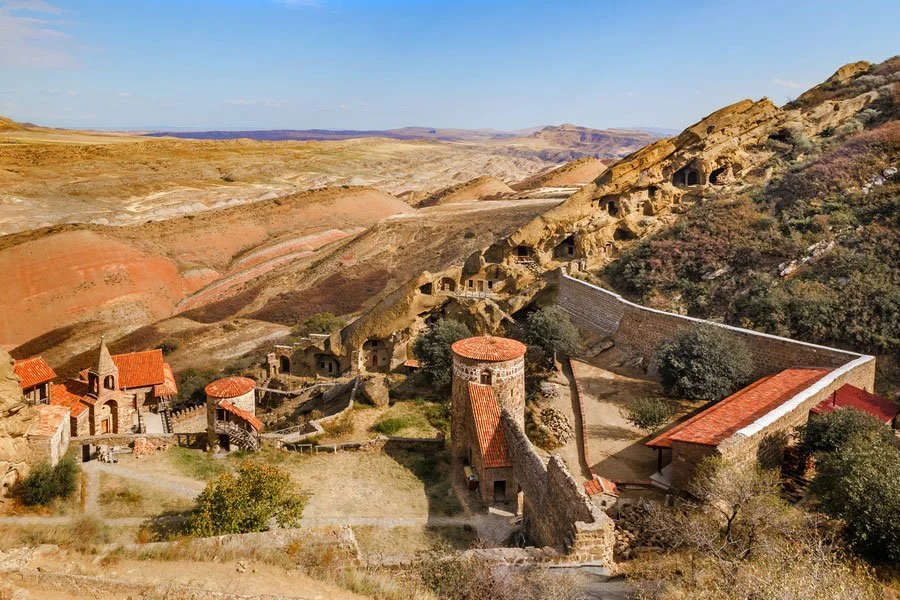
A day dedicated to discovering the Kakheti wine region, located in the east of the country and renowned for its hospitality. We head south-east, to the desert steppe, David Garedja, recognized by National Geographic as one of the 17 most beautiful places in the world. Visit the monastic complex founded in the 6th century by the Assyrian father David, who settled in a cave in the desert. The place is characterized by a unique combination of architecture. Then stop at a traditional Georgian wine cellar for organic wine tasting in the village of Kakabeti. The tasting will be followed by a typical lunch. Return to Tbilisi. Overnight at the hotel. (B/L/-)
Day 5 (Wednesday) Tbilisi - Gori - Uplistsikhe - Kutaisi (290km)
After breakfast, we drive to Gori, the birthplace of Joseph Stalin. Photo stop in front of the Stalin Museum and House. The museum gardens still house the armored train carriage that Stalin used to travel to the conferences in Tehran, Yalta, and Potsdam. Continue to one of the oldest Georgian cave cities, Uplistsikhe (1st millennium BC), “the city of God” with 150 caves and tunnels: an ancient theater, a pharmacy, wine cellars, palaces, etc. We drive to Western Georgia, including Kutaisi, the oldest city in Georgia and the former capital of the Kingdom of Colchis, dating back 3500 years. Dinner at the local restaurant. Overnight at the hotel in Kutaisi. (B/L/-)
Day 6 (Thursday) Kutaisi - Gelati- Borjomi - Akhaltsikhe (230km)
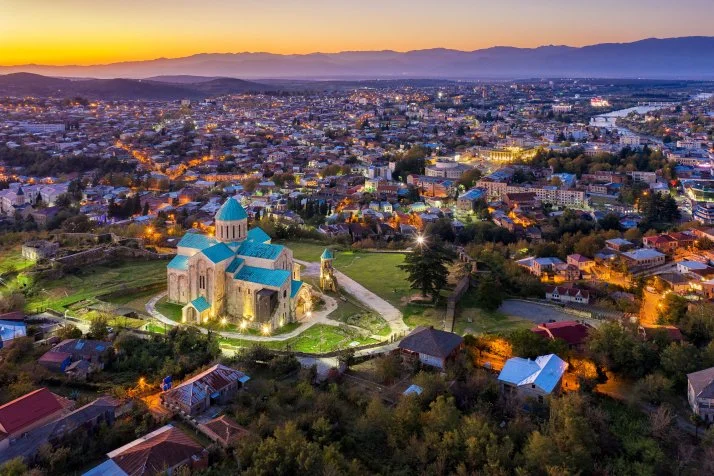
We stroll through the city center in the morning and visit the local farmers' market. Visit the Bagrati Cathedral (11th century), a jewel of Georgian medieval architecture. We take the road to the 12th-century Gelati monastery complex, a UNESCO World Heritage Site. In the Golden Age, it was for a long time one of the cultural and intellectual centers of Georgia, the seat of an academy bringing together many of the country's most eminent scientists, theologians, and philosophers. Gelati is superbly located halfway up a green hill. Head towards the south of Georgia and visit Borjomi, known throughout the former USSR for its mineral water. Walk in the thermal park and taste the sparkling water of Borjomi. Then continue the road to Akhaltsikhe, a central city of the Samtskhe-Javakheti region. Dinner and overnight at the hotel in Akhaltsikhe. (B/-/D)
Day 7 (Friday) Akhaltsikhe - Vardzia - Tsalka - Tbilisi (280km)
After breakfast, we set off to explore Vardzia - the richest of Georgia's cave settlements (12th century). Here stood one of the largest urban centers of Georgia's Golden Age: 50,000 people lived there. The city developed over 13 inhabited floors, with the Church of the Assumption at its center. Tunnels and underground passages connected the various structures of the city in a rather complex way. It is a glorious spectacle, one of the highlights of a visit to the country. For lunch, we go to the locals on the banks of the Mtkhvari River. Head towards the capital, Tbilisi, and stop en route to take photos at the Khertvissi Fortress (10th century) and Paravani Lake, the largest lake in Georgia. Overnight at the hotel in Tbilisi. (B/L/-)
Day 8 (Saturday) Departure from Tbilisi
(Optional: Transfer to the Airport). Departure from Tbilisi International Airport. (B/-/-
Price $2,155 twin share (subject to change)
Single supplement $320
The price includes:
Transportation according to the itinerary
English speaking guide service (from day 2 - 7)
7 nights accommodation in 4 star hotels
Meals: 7 x breakfast, 5 x lunch, 1 x dinner
Entrance tickets for the visits listed in the program
4x4 jeep to Kazbegi
One bottle of water per day/person
Airport transfers can be arranged (additional cost).
This Caucasian journey allows you to travel through the Greater and Lesser Caucasus, exploring Christian and Muslim countries where cultural and linguistic diversity is still preserved. Discover the must-see sights of each country.
Group size 2-20.
Day 1 (Tuesday) Arrival in Baku
Arrival in Baku. Overnight at the hotel. (Optional: Transfer to the hotel)
Day 2 (Wednesday) Baku - Gobustan - Baku (120km)
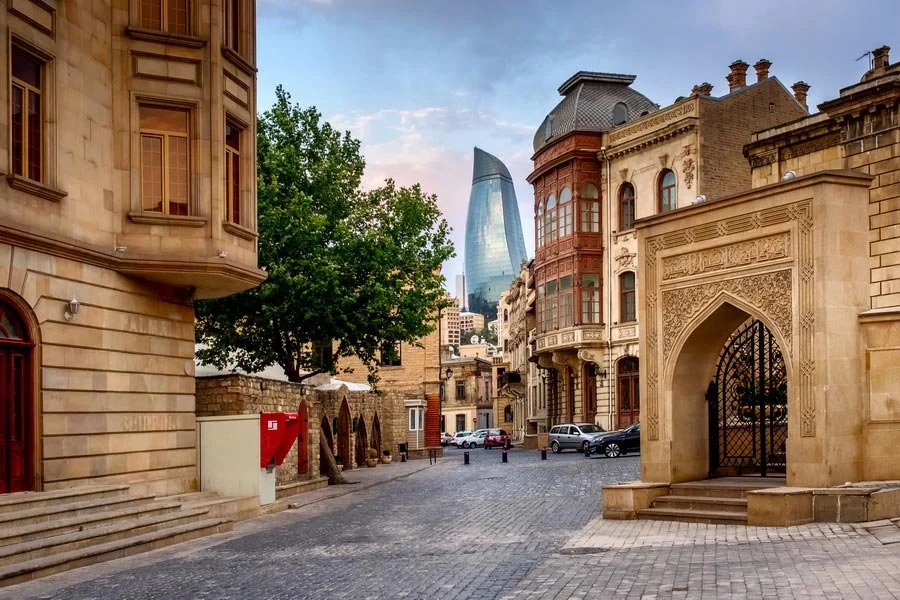
Breakfast at the hotel. Visit the panoramic park of Baku, once called the Mountain Park during the Soviet era, now known as the Alley of Martyrs. From here, looking over the splendid Baku Bay, we realize that Baku and Naples are true twin cities. Continue to the famous Old Town of Baku. On the way, the guide shares stories of buildings dating back to the early 20th century, constructed by Azerbaijan's oil magnates. Arrive in the Old Town and visit historical monuments, including the caravanserai, the remains of the Church of St. Bartholomew, the old Hammam, the famous Maiden Tower, ancient mosques, and more. Afterward, visit the Shirvanshahs' Palace. After exploring the Old Town, depart for Gobustan, a prehistoric area 60 km from Baku. A UNESCO World Heritage site, it features over 7,000 rock paintings. The visit begins at the modern museum, where interactive screens, photos, videos, and samples of engraved stones provide context. Here we learn about scenes of daily life—such as hunting, feeding, and burial of ancient people. Next, explore the rocks with several petroglyphs. After touring the open-air museum, depart for the mud volcanoes, one of Azerbaijan's natural wonders. This area is home to volcanoes of varying heights, creating a lunar landscape. Return to Baku. Overnight at the hotel. (B/L/-)
Day 3 (Thursday) Baku - Absheron - Baku (60km)
Breakfast at the hotel. Departure for the Absheron Peninsula. Arrive at Atashgah, the Temple of Fire, in the village of Surakhani, a sacred site still revered by fire worshippers. Next, visit Yanardagh (Burning Mountain), one of Azerbaijan's incredible natural wonders. Return to Baku with a stop at the magnificent cultural center designed by Zaha Hadid (entrance not included), where you can admire its imposing and futuristic architecture. Not far from there, visit the "Yashil Bazar" (Green Market). After lunch, take a walk along Nizami Street. Overnight at the hotel. (B/L/-)
Day 4 (Friday) Baku - Shamakhi - Sheki (300km)
Breakfast at the hotel. Departure for Sheki. Stop on the way to visit the mausoleum of Diri Baba, a Sufi who was buried here in 1402. The mausoleum has miraculously remained intact. The sanctuary, built in a natural cave on a ridge, has become a pilgrimage site over the centuries. Continue to Shamakhi, which was once the capital of the Shirvanshah state, to visit the oldest mosque in Azerbaijan. Arrive in Sheki, one of the most important cities on the Silk Road. Visit the village of Kish, home to an important Christian church, built between the 1st and 5th centuries AD, when Christianity spread in the region and became the dominant religion in what was known as Caucasian Albania. Overnight at the hotel. (B/L/-)
Day 5 (Saturday) Sheki - Lagodekhi (border) - Tbilisi (270km)
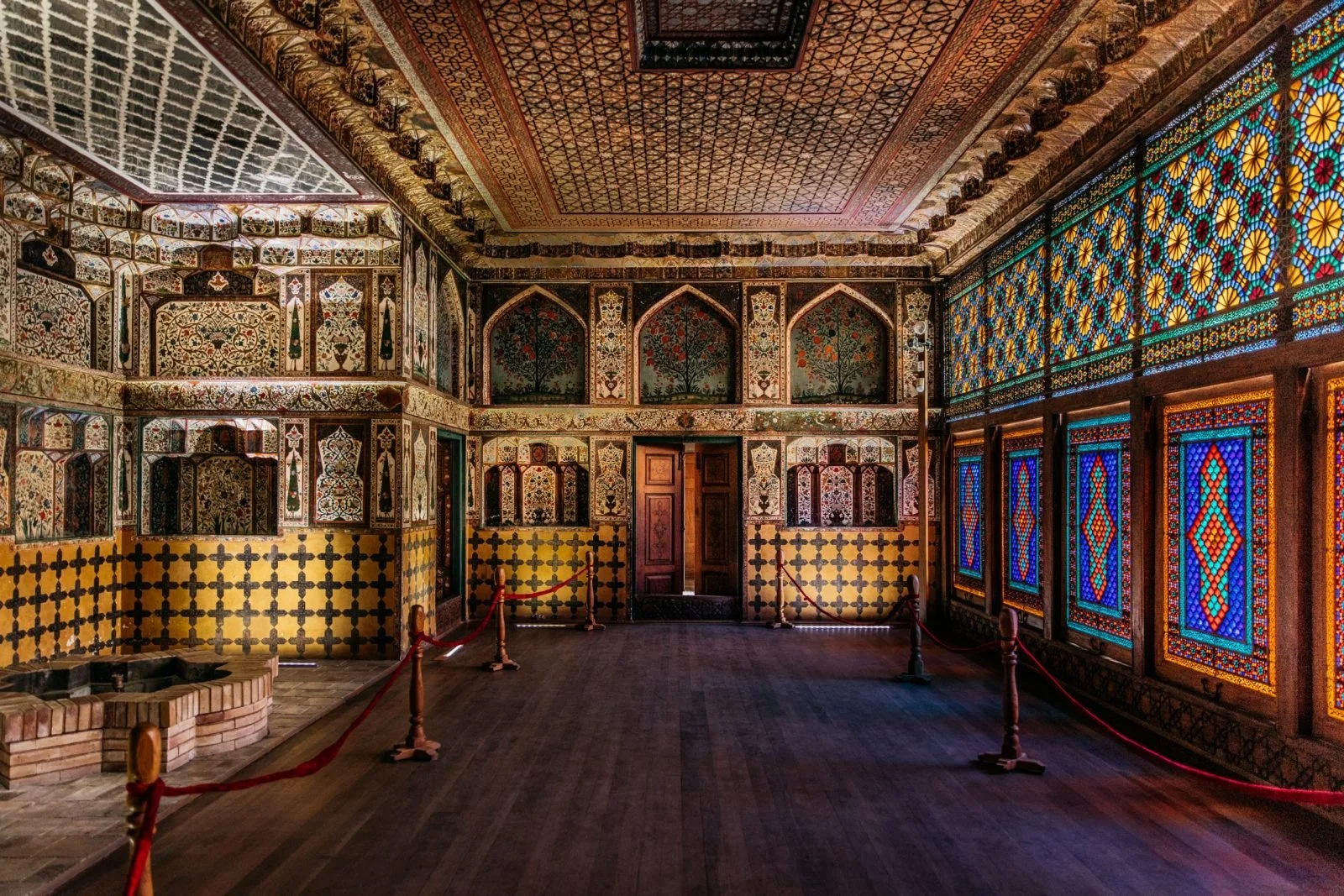
The morning is dedicated to a visit to the Sheki Khan’s Palace (1762), a rare example that combines national architectural traditions with palace architecture. Its unique design and interior decoration make it particularly interesting to visitors. It is known that no nails were used in the construction of the palace. The mosaic work is done in the traditional Shabaka style, using colored glass. We will also visit the caravanserai. Afterward, we drive to the Azerbaijan-Georgian border at Lagodekhi, arriving around 4 pm. We will meet with the Georgian guide and then head to Tbilisi. Accommodation and overnight at the hotel in Tbilisi. (B/L/-)
Note: The distance between the exit checkpoint of Azerbaijan and the entry checkpoint of Georgia is about 600 meters. We will need to cross on foot with our luggage.
Day 6 (Sunday) Tbilisi - Mtkheta - Tbilisi (50km)
Today, we visit Tbilisi, the capital of Georgia, which was founded in the 5th century. We begin our day with a visit to the medieval Church of Metekhi (13th century), followed by a cable car ride to the Narikala Fortress, which majestically overlooks the old quarter of the city. We continue exploring the old city: the district of sulfur baths (17th century); the capital's name is inspired by these hot sulfur springs, as 'Tbili' means 'hot' in Georgian. Next, we visit the Sioni Cathedral (16th century) and Anchiskhati (6th century), the oldest church in the city. We will then take a walk along Rustaveli Avenue, the main avenue of Tbilisi. Later, we head to the ancient capital of Georgia, Mtskheta, located at the intersection of the Military Road and the Silk Road. Here, we visit two UNESCO World Heritage sites: the Jvari Monastery (6th century), offering a splendid view of the confluence of the Mtkvari and Aragvi rivers, and the Svetitskhoveli Cathedral (11th century), one of the most sacred places in Georgia, as it is believed to house the tunic that once belonged to Christ. Return to the capital. Overnight at the hotel in Tbilisi. (B/L/-)
Day 7 Monday) Tbilisi - Stepantsminda - Ananuri - Tbilisi (310km)
This morning, we follow the Georgian Military Road to the north, passing through Gudauri (2,200 meters), a winter sports resort on the southern slope of the Greater Caucasus mountain range. We cross the Cross Pass (2,395 meters above sea level) and arrive at the village of Stepantsminda, located at the foot of the impressive Mount Kazbek (5,047 meters above sea level), which marks the border with Russia. We reach the 14th-century Trinity Monastery of Gergeti by 4x4. Perched at an altitude of 2,170 meters on a promontory, it offers the most spectacular views of the Greater Caucasus. Lunch in Stepantsminda. On the way back to Tbilisi, we visit the fortified complex of Ananuri (17th century), one of the country’s major sites, located next to the blue Jinvali Lake. Return to Tbilisi and overnight at the hotel. (B/L/-)
Day 8 (Tuesday) Tbilisi - David Garedja - Kakabeti - Tbilisi (235km)
A day dedicated to discovering the Kakheti wine region, located in the east of the country and renowned for its hospitality. We head southeast to the desert steppe of David Gareja, recognized by National Geographic as one of the 17 most beautiful places in the world. Visit the monastic complex founded in the 6th century by the Assyrian monk David, who settled in a cave in the desert. The place is characterized by a unique combination of architecture. Dozens of rock monasteries are decorated with beautifully colored frescoes and are considered masterpieces of medieval Georgian art. Then, we stop at a traditional Georgian wine cellar in the village of Kakabeti for an organic wine tasting. The tasting will be followed by a typical lunch. Return to Tbilisi and overnight at the hotel. (B/L/-)
Day 9 (Wednesday) Tbilisi - Sadakhlo - Haghpat - Dilijan - Sevanavank - Yerevan (320km)
Breakfast at the hotel. Check-out. Departure from Tbilisi to Yerevan, crossing the Sadakhlo border. Arrival at the border around 10:00 a.m. Meet your Armenian guide and driver and head towards Armenia. Continue to the village of Haghpat. Visit the Haghpat Monastery, one of the most beautiful churches, which was founded in 976. Haghpat was also a major literary center in the Middle Ages. Departure to Dilijan, one of the most famous tourist centers in Armenia. People say, "If paradise had mountains, forests, and mineral springs, it would be just like Dilijan." Dilijan's natural beauty is so great that it is also called "Armenian Little Switzerland." In this city, you can stroll through the streets with its 19th-century ceramic buildings. Lunch on the way. Then, get ready to go to Lake Sevan, the emerald of Armenia and the second largest alpine lake in the world. Admire the picturesque views of one of the world's highest bodies of water. Then visit the Sevanavank monastery complex. Sevanavank Monastery was founded in 874 by Princess Mariam. After the artificial drying of Lake Sevan, which began during the time of Joseph Stalin, the water level dropped by about 20 meters, and the island turned into a peninsula. Arrival in Yerevan. Overnight at the hotel. Yerevan. (B/L/-)
Day 10 (Thursday) Yerevan City Tour - Etchmiadzin - Zvartnots - Genocide Museum (120km)
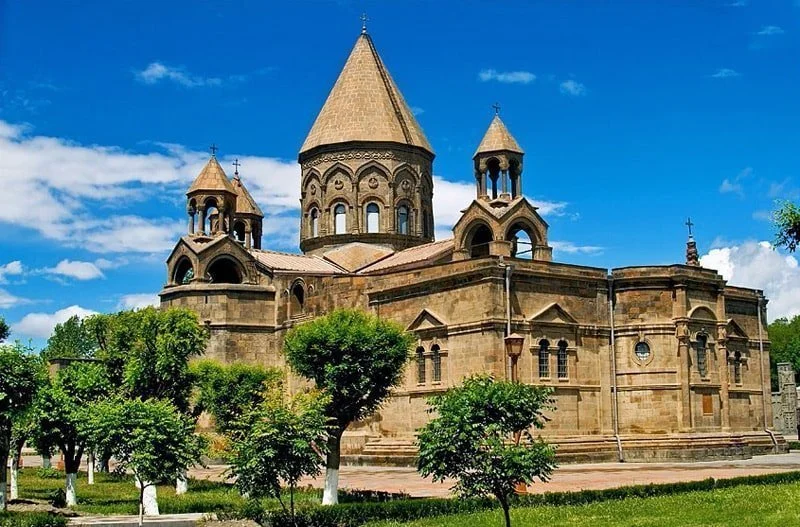
Breakfast at the hotel. Departure for Echmiadzin, which is only 20 km from Yerevan. Echmiadzin is the religious center of the Armenians, the "Little Vatican of Armenia," where the seat of the Patriarch of the Armenian Church is located. Visit the first cathedral in the Christian world, Echmiadzin Cathedral (4th-19th centuries), built in 303 by Saint Gregory the Illuminator, evangelizer of the Armenians, and listed as a UNESCO World Heritage Site. Visit the Treasures of Echmiadzin Museum. Return to Yerevan. En route, visit another UNESCO World Heritage Site: the remains of Zvartnots Cathedral, a pearl of 7th-century architecture. Its construction began in 642 under the direction of Catholicos Nerses III, who built the majestic cathedral dedicated to Saint Gregory on the site where a meeting between King Tiridates III and Gregory the Illuminator is said to have taken place. Lunch at a local's home. Arrival in Yerevan. During your tour, you will have the opportunity to admire the beauty of downtown Yerevan and pay homage to the Tsitsernakaberd Memorial Park and the Museum of Genocide Victims. City tour of Yerevan on foot. During your tour, you will discover Yerevan. The history of Yerevan dates back to the 8th century BC. You will start the tour of the Republic Square, the great work of architect Alexander Tamanian. Continue the road towards the Cascade, an open-air museum of modern art. Afterwards, you will leave for the Opera House, a remarkable example of urban architecture and the lively center of the city. Overnight at the hotel in Yerevan. (B/L/-
Day 11 (Friday) Yerevan - Khor Virap - Areni - Noravank - Yerevan (250km)
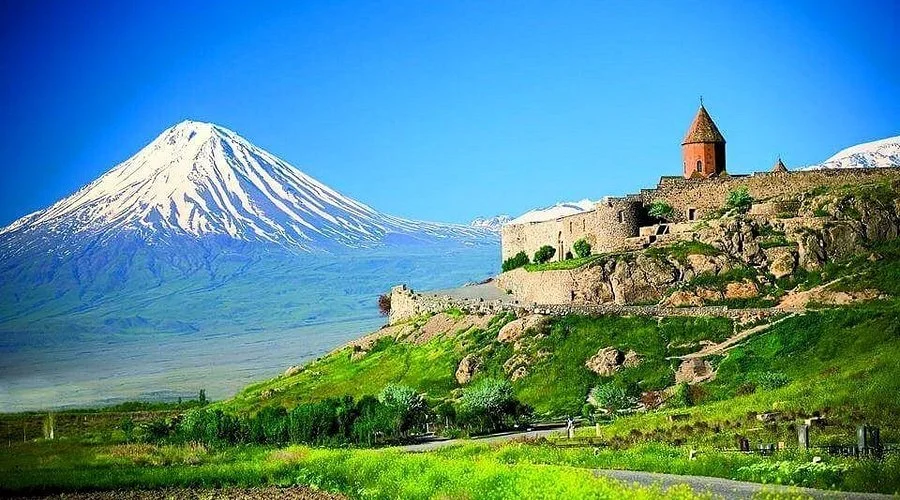
Breakfast at the hotel. Departure to the Ararat region, the breeding ground of Armenia and the homeland of the apricot. Visit the Khor-Virap Monastery (17th century), a former prison where the evangelist of the Armenian people and the main saint of the Armenian Apostolic Church, Gregory the Illuminator, was incarcerated at the end of the 3rd century. This monastery is located at the foot of the biblical Mount Ararat, and it was in this Ararat valley that Noah planted his vines and drank the wine. Continue the road towards the village of Areni, a small wine-growing village, and visit a cave where one of the oldest wine cellars was discovered in 2010. There, the oldest shoe in the world, more than 5,500 years old, was found. Lunch at a local's home. Visit one of the most beautiful monastic complexes in Armenia, the Noravank Monastery (13th-14th centuries), located in the picturesque Amagu Canyon, whose red rhyolite rocks make this site a unique place of meditation. The buildings of the monastic complex fascinate with the beauty of the bas-reliefs and figurative representations, rare in Armenian architecture of the Middle Ages. Return to Yerevan. Overnight at the hotel in Yerevan. (B/L/-)
Day 12 (Saturday) Yerevan - Garni - Geghard - Matenadaran (100km)
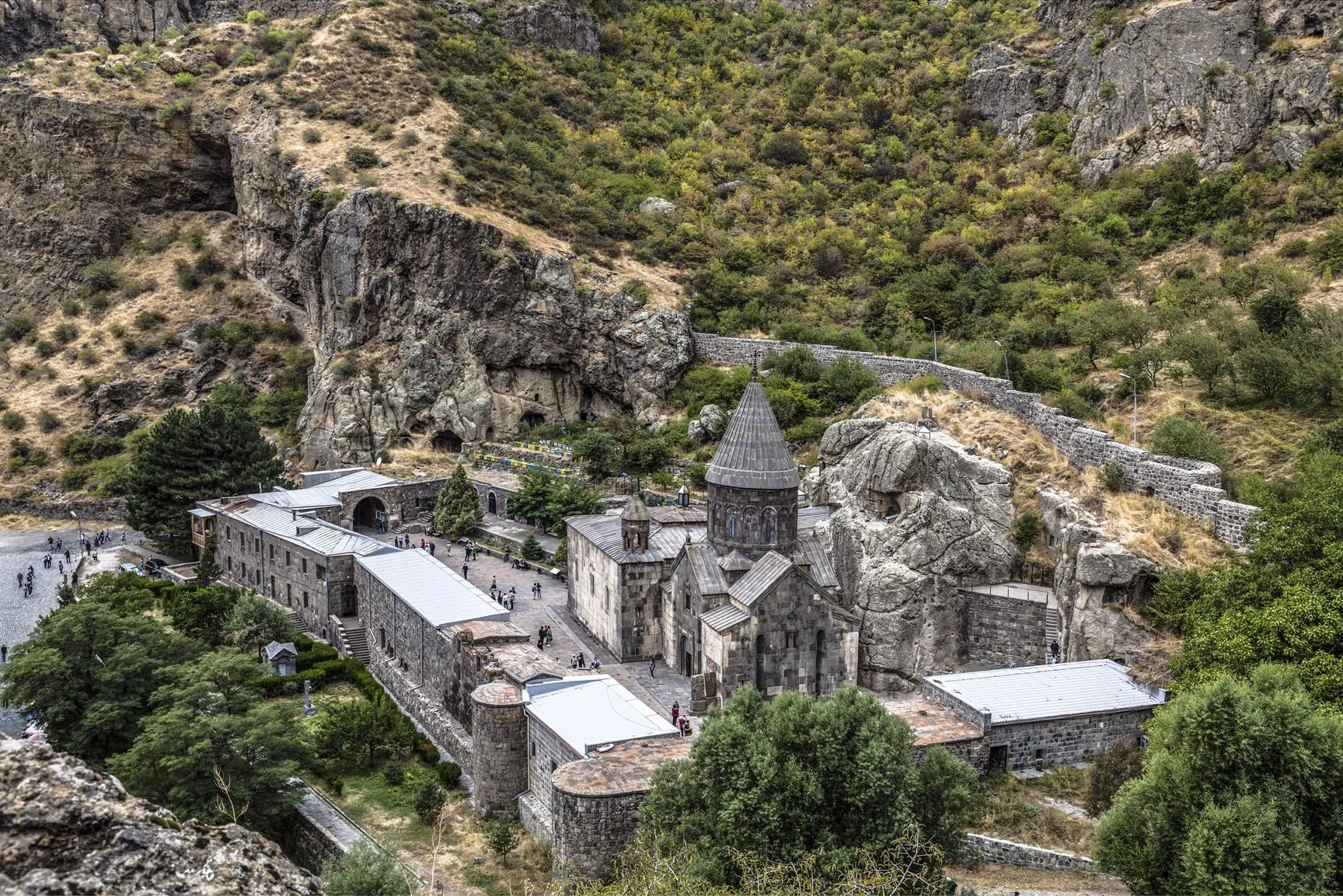
After breakfast, departure for Garni. Visit the Temple of Garni, the only Greco-Roman-style temple in the entire Caucasus region. Built in the 1st century AD by the Armenian king Tiridates, it is dedicated to the pagan god Mithra, the sun god whose figure was located at the back of the sanctuary. From the 1st to the 4th centuries, the Garni fortress was the summer residence of the Arsacid kings. Lunch at a local home in Garni. During lunch, you will have the opportunity to participate in the preparation of Armenian bread called 'lavash'. Visit the Geghard Monastery (12th-13th centuries), a unique site whose rooms are carved into the basalt rock. The Geghard Monastery is one of the masterpieces of 13th-century Armenian architecture. The complex is striking for its interior decoration and its extraordinary khachkars (stone crosses). The Geghard Monastery is a UNESCO World Heritage Site. Return to Yerevan. Visit Matenadaran, a library/repository containing historical documents from across Europe and Asia over many centuries. The earliest copy of the Bible in Armenian and the Gospels, which fascinates with their beautiful miniatures, is also housed here. Overnight at a hotel in Yerevan. (B/L/-)
Day 13 (Sunday) Departure from Yerevan
(Optional: Transfer to the Airport). Departure from Yerevan to home. (B/-/-)
Price $4,485 twin share (subject to change)
Single supplement $863
The price includes:
Transportation according to the itinerary
English speaking guide service
12 nights accommodation in 4 star hotels
Meals: 12 x breakfast, 11 x lunch
Entrance tickets for the visits listed in the program
4x4 jeep to Kazbegi
One bottle of water per day/person
Airport transfers can be arranged (additional cost).
This Caucasian journey allows you to travel through the Greater and Lesser Caucasus, exploring Christian and Muslim countries where cultural and linguistic diversity is still preserved. Discover the must-see sights of each country.
Group size 2 - 20 people
Day 1 (Tuesday) Arrival in Baku
Arrival in Baku. Overnight at the hotel. (Optional: Transfer to the hotel)
Day 2 (Wednesday) Baku - Gobustan - Baku (120km)
Breakfast at the hotel. Visit the panoramic park of Baku, once called the Mountain Park during the Soviet era, now known as the Alley of Martyrs. From here, looking over the splendid Baku Bay, we realize that Baku and Naples are true twin cities. Continue to the famous Old Town of Baku. On the way, the guide shares stories of buildings dating back to the early 20th century, constructed by Azerbaijan's oil magnates. Arrive in the Old Town and visit historical monuments, including the caravanserai, the remains of the Church of St. Bartholomew, the old Hammam, the famous Maiden Tower, ancient mosques, and more. Afterward, visit the Shirvanshahs' Palace. After exploring the Old Town, depart for Gobustan, a prehistoric area 60 km from Baku. A UNESCO World Heritage site, it features over 7,000 rock paintings. The visit begins at the modern museum, where interactive screens, photos, videos, and samples of engraved stones provide context. Here we learn about scenes of daily life—such as hunting, feeding, and burial of ancient people. Next, explore the rocks with several petroglyphs. After touring the open-air museum, depart for the mud volcanoes, one of Azerbaijan's natural wonders. This area is home to volcanoes of varying heights, creating a lunar landscape. Return to Baku. Overnight at the hotel. (B/L/-)
Day 3 (Thursday) Baku - Absheron - Baku (60km)
Breakfast at the hotel. Departure for the Absheron Peninsula. Arrive at Atashgah, the Temple of Fire, in the village of Surakhani, a sacred site still revered by fire worshippers. Next, visit Yanardagh (Burning Mountain), one of Azerbaijan's incredible natural wonders. Return to Baku with a stop at the magnificent cultural center designed by Zaha Hadid (entrance not included), where you can admire its imposing and futuristic architecture. Not far from there, visit the "Yashil Bazar" (Green Market). After lunch, take a walk along Nizami Street. Overnight at the hotel. (B/L/-
Day 4 (Friday) Baku - Shamakhi - Sheki (300km)
Breakfast at the hotel. Departure for Sheki. Stop on the way to visit the mausoleum of Diri Baba, a Sufi who was buried here in 1402. The mausoleum has miraculously remained intact. The sanctuary, built in a natural cave on a ridge, has become a pilgrimage site over the centuries. Continue to Shamakhi, which was once the capital of the Shirvanshah state, to visit the oldest mosque in Azerbaijan. Arrive in Sheki, one of the most important cities on the Silk Road. Visit the village of Kish, home to an important Christian church, built between the 1st and 5th centuries AD, when Christianity spread in the region and became the dominant religion in what was known as Caucasian Albania. Overnight at the hotel. (B/L/-)
Day 5 (Saturday) Sheki - Lagodekhi (border) - Tbilisi (270km)
The morning is dedicated to a visit to the Sheki Khan’s Palace (1762), a rare example that combines national architectural traditions with palace architecture. Its unique design and interior decoration make it particularly interesting to visitors. It is known that no nails were used in the construction of the palace. The mosaic work is done in the traditional Shabaka style, using colored glass. We will also visit the caravanserai. Afterward, we drive to the Azerbaijan-Georgian border at Lagodekhi, arriving around 4 pm. We will meet with the Georgian guide and then head to Tbilisi. Accommodation and overnight at the hotel in Tbilisi. (B/L/-)
Note: The distance between the exit checkpoint of Azerbaijan and the entry checkpoint of Georgia is about 600 meters. We will need to cross on foot with our luggage.
Day 6 (Sunday) Tbilisi - Mtkheta - Tbilisi (50km)
Today, we visit Tbilisi, the capital of Georgia, which was founded in the 5th century. We begin our day with a visit to the medieval Church of Metekhi (13th century), followed by a cable car ride to the Narikala Fortress, which majestically overlooks the old quarter of the city. We continue exploring the old city: the district of sulfur baths (17th century); the capital's name is inspired by these hot sulfur springs, as 'Tbili' means 'hot' in Georgian. Next, we visit the Sioni Cathedral (16th century) and Anchiskhati (6th century), the oldest church in the city. We will then take a walk along Rustaveli Avenue, the main avenue of Tbilisi. Later, we head to the ancient capital of Georgia, Mtskheta, located at the intersection of the Military Road and the Silk Road. Here, we visit two UNESCO World Heritage sites: the Jvari Monastery (6th century), offering a splendid view of the confluence of the Mtkvari and Aragvi rivers, and the Svetitskhoveli Cathedral (11th century), one of the most sacred places in Georgia, as it is believed to house the tunic that once belonged to Christ. Return to the capital. Overnight at the hotel in Tbilisi. (B/L/-)
Day 7 (Monday) Tbilisi - Stepantsminda - Ananuri - Tbilisi (310km)
This morning, we follow the Georgian Military Road to the north, passing through Gudauri (2,200 meters), a winter sports resort on the southern slope of the Greater Caucasus mountain range. We cross the Cross Pass (2,395 meters above sea level) and arrive at the village of Stepantsminda, located at the foot of the impressive Mount Kazbek (5,047 meters above sea level), which marks the border with Russia. We reach the 14th-century Trinity Monastery of Gergeti by 4x4. Perched at an altitude of 2,170 meters on a promontory, it offers the most spectacular views of the Greater Caucasus. Lunch in Stepantsminda. On the way back to Tbilisi, we visit the fortified complex of Ananuri (17th century), one of the country’s major sites, located next to the blue Jinvali Lake. Return to Tbilisi and overnight at the hotel. (B/L/-)
Day 8 (Tuesday) Tbilisi - David Garedja - Kakabeti - Tbilisi (235km)
A day dedicated to discovering the Kakheti wine region, located in the east of the country and renowned for its hospitality. We head southeast to the desert steppe of David Gareja, recognized by National Geographic as one of the 17 most beautiful places in the world. Visit the monastic complex founded in the 6th century by the Assyrian monk David, who settled in a cave in the desert. The place is characterized by a unique combination of architecture. Then, we stop at a traditional Georgian wine cellar in the village of Kakabeti for an organic wine tasting. The tasting will be followed by a typical lunch. Return to Tbilisi and overnight at the hotel. (B/L/-)
Day 9 (Wednesday) Departure from Tbilisi
(Optional: Transfer to the Airport). Departure from Tbilisi to home.
Price $2,870 twin share (subject to change)
Single supplement $640
The price includes:
Transportation according to the itinerary
English speaking guide service
8 nights accommodation in 4 star hotels
Meals: 8 x breakfast, 7 x lunch
Entrance tickets for the visits listed in the program
4x4 jeep to Kazbegi
One bottle of water per day/person
Airport transfers can be arranged (additional cost).
Discover the heart of the Caucasus — Georgia and Armenia, ancient Christian lands where Europe meets Asia. Rich in legends, traditions, and warm hospitality, these two countries offer a unique cultural journey.
Group size 2 - 20 people
Day 1 (Saturday) Arrival in Tbilisi
Arrival in Tbilisi. Overnight at the hotel. (Optional: Transfer to the hotel
Day 2 (Sunday) Tbilisi - Mtkheta - Tbilisi (50km)
Today, we visit Tbilisi, the capital of Georgia, which was founded in the 5th century. We begin our day with a visit to the medieval Church of Metekhi (13th century), followed by a cable car ride to the Narikala Fortress, which majestically overlooks the old quarter of the city. We continue exploring the old city: the district of sulfur baths (17th century); the capital's name is inspired by these hot sulfur springs, as 'Tbili' means 'hot' in Georgian. Next, we visit the Sioni Cathedral (16th century) and Anchiskhati (6th century), the oldest church in the city. We will then take a walk along Rustaveli Avenue, the main avenue of Tbilisi. Later, we head to the ancient capital of Georgia, Mtskheta, located at the intersection of the Military Road and the Silk Road. Here, we visit two UNESCO World Heritage sites: the Jvari Monastery (6th century), offering a splendid view of the confluence of the Mtkvari and Aragvi rivers, and the Svetitskhoveli Cathedral (11th century), one of the most sacred places in Georgia, as it is believed to house the tunic that once belonged to Christ. Return to the capital. Overnight at the hotel in Tbilisi. (B/L/-)
Day 3 (Monday) Tbilisi - Stepantsminda - Ananuri - Tbilisi (310km)
This morning, we follow the Georgian Military Road to the north, passing through Gudauri (2,200 meters), a winter sports resort on the southern slope of the Greater Caucasus mountain range. We cross the Cross Pass (2,395 meters above sea level) and arrive at the village of Stepantsminda, located at the foot of the impressive Mount Kazbek (5,047 meters above sea level), which marks the border with Russia. We reach the 14th-century Trinity Monastery of Gergeti by 4x4. Perched
at an altitude of 2,170 meters on a promontory, it offers the most spectacular views of the Greater Caucasus. Lunch in Stepantsminda. On the way back to Tbilisi, we visit the fortified complex of Ananuri (17th century), one of the country’s major sites, located next to the blue Jinvali Lake. Return to Tbilisi and overnight at the hotel. (B/L/-)
Day 4 (Tuesday) Tbilisi - David Garedja - Kakabeti - Tbilisi (235km)
A day dedicated to discovering the Kakheti wine region, located in the east of the country and renowned for its hospitality. We head southeast to the desert steppe of David Gareja, recognized by National Geographic as one of the 17 most beautiful places in the world. Visit the monastic complex founded in the 6th century by the Assyrian monk David, who settled in a cave in the desert. The place is characterized by a unique combination of architecture. Dozens of rock monasteries are decorated with beautifully colored frescoes and are considered masterpieces of medieval Georgian art. Then, we stop at a traditional Georgian wine cellar in the village of Kakabeti for an organic wine tasting. The tasting will be followed by a typical lunch. Return to Tbilisi and overnight at the hotel. (B/L/-)
Day 5 (Wednesday) Tbilisi - Sadakhlo - Haghpat - Dilijan - Sevanavank - Yerevan (320km)
Breakfast at the hotel. Check-out. Departure from Tbilisi to Yerevan, crossing the Sadakhlo border. Arrival at the border around 10:00 a.m. Meet your Armenian guide and driver and head towards Armenia. Continue to the village of Haghpat. Visit the Haghpat Monastery, one of the most beautiful churches, which was founded in 976. Haghpat was also a major literary center in the Middle Ages. Departure to Dilijan, one of the most famous tourist centers in Armenia. People say, "If paradise had mountains, forests, and mineral springs, it would be just like Dilijan." Dilijan's natural beauty is so great that it is also called "Armenian Little Switzerland." In this city, you can
stroll through the streets with its 19th-century ceramic buildings. Lunch on the way. Then, get ready to go to Lake Sevan, the emerald of Armenia and the second largest alpine lake in the world. Admire the picturesque views of one of the world's highest bodies of water. Then visit the Sevanavank monastery complex. Sevanavank Monastery was founded in 874 by Princess Mariam. After the artificial drying of Lake Sevan, which began during the time of Joseph Stalin, the water level dropped by about 20 meters, and the island turned into a peninsula. Arrival in Yerevan. Overnight at the hotel. Yerevan. (B/L/-)
Day 6 Thursday Yerevan City Tour - Etchmiadzin - Zvartnot - Genocide Museum (120km)
Breakfast at the hotel. Departure for Echmiadzin, which is only 20 km from Yerevan. Echmiadzin is the religious center of the Armenians, the "Little Vatican of Armenia," where the seat of the Patriarch of the Armenian Church is located. Visit the first cathedral in the Christian world, Echmiadzin Cathedral (4th-19th centuries), built in 303 by Saint Gregory the Illuminator, evangelizer of the Armenians, and listed as a UNESCO World Heritage Site. Visit the Treasures of Echmiadzin Museum. Return to Yerevan. En route, visit another UNESCO World Heritage Site: the remains of Zvartnots Cathedral, a pearl of 7th-century architecture. Its construction began in 642 under the direction of Catholicos Nerses III, who built the majestic cathedral dedicated to Saint Gregory on the site where a meeting between King Tiridates III and Gregory the Illuminator is said to have taken place. Lunch at a local's home. Arrival in Yerevan. During your tour, you will have the opportunity to admire the beauty of downtown Yerevan and pay homage to the Tsitsernakaberd Memorial Park and the Museum of Genocide Victims. City tour of Yerevan on foot. During your tour, you will discover Yerevan. The history of Yerevan dates back to the 8th century BC. You will start the tour of the Republic Square, the great work of architect Alexander Tamanian. Continue the road towards the Cascade, an open-air museum of modern art. Afterwards, you will leave for the Opera House, a remarkable example of urban architecture and the lively center of the city. Overnight at the hotel in Yerevan. (B/L/-)
Day 7 Friday Yerevan - Khor Virap - Areni - Noravank - Yerevan (250km)
Breakfast at the hotel. Departure to the Ararat region, the breeding ground of Armenia and the homeland of the apricot. Visit the Khor-Virap Monastery (17th century), a former prison where the evangelist of the Armenian people and the main saint of the Armenian Apostolic Church, Gregory the Illuminator, was incarcerated at the end of the 3rd century. This monastery is located at the foot of the biblical Mount Ararat, and it was in this Ararat valley that Noah planted his vines and drank the wine. Continue the road towards the village of Areni, a small wine-growing village, and visit a cave where one of the oldest wine cellars was discovered in 2010. There, the oldest shoe in the world, more than 5,500 years old, was found. Lunch at a local's home. Visit one of the most beautiful monastic complexes in Armenia, the Noravank Monastery (13th-14th centuries), located in the picturesque Amagu Canyon, whose red rhyolite rocks make this site a unique place of meditation. The buildings of the monastic complex fascinate with the beauty of the bas-reliefs and figurative representations, rare in Armenian architecture of the Middle Ages. Return to Yerevan. Overnight at the hotel in Yerevan. (B/L/-)
Day 8 (Saturday) Yerevan - Garni - Geghard - Matenadaran (100km)
After breakfast, departure for Garni. Visit the Temple of Garni, the only Greco-Roman-style temple in the entire Caucasus region. Built in the 1st century AD by the Armenian king Tiridates, it is dedicated to the pagan god Mithra, the sun god whose figure was located at the back of the sanctuary. From the 1st to the 4th centuries, the Garni fortress was the summer residence of the Arsacid kings. Lunch at a local home in Garni. During lunch, you will have the opportunity to participate in the preparation of Armenian bread called 'lavash'. Visit the Geghard Monastery (12th-13th centuries), a unique site whose rooms are carved into the basalt rock. The Geghard Monastery
is one of the masterpieces of 13th-century Armenian architecture. The complex is striking for its interior decoration and its extraordinary khachkars (stone crosses). The Geghard Monastery is a UNESCO World Heritage Site. Return to Yerevan. Visit Matenadaran, a library/repository containing historical documents from across Europe and Asia over many centuries. The earliest copy of the Bible in Armenian and the Gospels, which fascinates with their beautiful miniatures, is also housed here. Overnight at a hotel in Yerevan. (B/L/-)
Day 9 (Sunday) Departure from Yerevan
(Optional: Transfer to the Airport). Departure from Yerevan to home. (B/-/-)
Price $2,555 twin share (subject to change)
Single supplement $564
The price includes:
Transportation according to the itinerary
English speaking guide service
8 nights accommodation in 4 star hotels
Meals: 8 x breakfast, 7 x lunch
Entrance tickets for the visits listed in the program
4x4 jeep to Gergeti
One bottle of water per day/person
Airport transfers can be arranged (additional cost).
Explore Georgia’s rich heritage through visits to historic landmarks, UNESCO sites, and traditional villages. Enjoy Georgian cooking masterclasses and authentic wine tastings, discovering the country’s unique culture, cuisine, and hospitality.
Group size 2 - 20 people
Day 1: Arrival in Tbilisi
Arrival at Tbilisi International Airport. Hotel accommodation and overnight stay in Tbilisi.
Day 2: Tbilisi city tour
After breakfast, start a few unforgettable hours of familiarization with the capital. All the places of interest are very close to each other, within a few minutes’ walk. Start our excursion from the Metekhi (13th century) plateau, before reaching Narikala Fortress (4th century), which dominates the skyline of the Old Town. Continue to explore brick-domed underground sulphur baths (17th century) – the district of naturally hot mineral waters, cafe street Shardeni, Synagogue, Sioni Cathedral, and the most ancient Basilica in Tbilisi, Anchiskhati (6th century). Walk across the Bridge of Peace, which is a stunning design as well as a convenient crossing between the newly constructed Rike Park and the Old Town. It also provides superb views over the city. Hotel accommodation, dinner, and overnight in Tbilisi. (B/-/D)
Day 3: Tbilisi - David Garedja – Kakabeti - Tbilisi (280 km)
A day dedicated to discovering the Kakheti wine region, located in the east of the country, and renowned for its hospitality. We head southeast to the desert steppe of David Gareja, recognized by National Geographic as one of the 17 most beautiful places in the world. Visit the monastic complex founded in the 6th century by the Assyrian monk David, who settled in a cave in the desert. The place is characterized by a unique combination of architecture. Lunch in a local family and Wine tasting. Overnight in Tbilisi. (B/L/-)
Day 4: Tbilisi – Mtskheta – Stepantsminda – Gudauri (190 km)
After breakfast at the hotel, drive to Mtskheta – an ancient capital of Georgia, an important religious centre and city-museum which is inscribed on the UNESCO World Heritage List. Along the way, we will stop to visit Jvari Monastery (6th century). This well-known monastery is located at the top of the mountain, at the confluence of the Mtkvari and Aragvi rivers. Then head to Svetitskhoveli Cathedral (11th century), which is known as a place where Christ’s robe was buried. Walk along the narrow streets of Mtskheta with souvenir shopping. Then start our very scenic drive up through the High Caucasus Mountains along the Georgian Military Highway towards Kazbegi. Drive across the Cross Pass (2,395 m.) and along the Tergi River that brings us to Kazbegi – located in the middle of the glorious & breath-taking beauty of the Caucasus, at the bottom of Mount Kazbegi (5,047 m.), it is a main town in this region. From the centre of Kazbegi 4x4 drive through beautiful valleys and woodland leads us to Gergeti Holy Trinity church (14th century), stunningly located on a hilltop (2170 m.), both overlooking the surrounding snowy peaks of the Greater Caucasus Mountains. Here we will enjoy the unique nature with beautiful panoramic views of the Caucasus, including Mount Kazbegi (5047m). Overnight at the hotel in Gudauri. (B/-/D)
Day 5: Gudauri – Ananuri – Gori – Uplistsikhe – Kutaisi (350 km)
After breakfast, descend from the Great Caucasus Mountains and proceed along the famous Silk Road towards Gori, the birthplace of the Soviet leader Joseph Stalin. Visit Ananuri architectural complex (17th century) overlooking a reservoir on the Aragvi River. Photo stop at the museum of Stalin and continue to the cave town Uplistsikhe (1st millennium BC) – one of the first cities in Georgia carved into the rock. The caves were the site of pagan rituals before Georgia became a Christian country. Drive to Kutaisi. Dinner and overnight in Kutaisi. (B/-/D)
Day 6: Kutaisi - Prometheus caves - Mestia (250 km)
After breakfast, a short visit to the city with its beautiful squares, modern buildings, long avenues, and its renowned seafront. Drive to explore the magnificent Prometheus Caves – one of Georgia’s natural wonders, providing visitors with breath-taking examples of stalactites, stalagmites, curtains, petrified waterfalls, cave pearls, underground rivers, and lakes. Subsequent departure north for the wild and mysterious Svaneti, an ancient land enclosed in the Greater Caucasus, so isolated that it has never been subjugated by any ruler and has managed to largely maintain its traditional lifestyle. The route passes through landscapes that become more and more spectacular as you go up the valleys: snow-capped peaks that soar above 4,000 m above alpine pastures cloaked in flowers. The symbol of Svaneti is the picturesque villages with the typical stone defensive towers, designed to protect the inhabitants in case of invasions and wars. Today, around 175 towers are still standing, mostly built between the 9th and 13th centuries. Arrival in the town of Mestia (1,400 m), the administrative capital of Svaneti. Hotel accommodation and overnight stay in Mestia. (B/-/D)
Day 7: Mestia - Ushguli (50 km)
After breakfast, visit the town and the “tower” family museum. Departure towards the south-east to reach the picturesque and suggestive village of Ushguli (2,100 m); in 1996, thanks to the presence of around twenty ancient Svan towers, it was declared a UNESCO World Heritage Site. With favorable weather conditions, you can admire the peaks of Mounts Ushba (4700 m), Shkara (5050 m), and Tetnuldi (4852 m). We visit the Church of Lamaria, dating back to the 12th century, and, with a short excursion, in the late afternoon, we will approach the base of the Shkhara glaciers (5,068 m), the highest peak in Georgia and the third highest in the Caucasus chain. Finally, we will have a Kubdari Masterclass – Discover the Flavor of Svaneti. Join us for an authentic culinary experience and learn to prepare Kubdari, one of the most iconic dishes of Georgia’s Svaneti region. You will explore the secrets behind this traditional meat-filled bread — from kneading the dough to seasoning the aromatic Svanetian spices. Hotel accommodation and overnight stay in Ushguli. (B/L/-)
Day 8: Ushguli - Lentekhi - Tsageri - Ambrolauri (150 km)
Breakfast at the hotel. Today we travel along the road crossing the Zagaro Pass (2623 m) towards the small town of Lentekhi. The landscapes are magnificent, always immersed in mountains covered with meadows or fir forests. We come across a couple of villages that seem abandoned, then go down other small groups of houses, and finally Lentheki. The route continues to Racha, a mountainous region still untouched by mass tourism, famous for its excellent red wine, its snow-capped peaks, and the most elaborate wooden balconies in Georgia. Shortly after, we will have lunch and a wine “Khvanchkara” tasting and a Lobiani master class in Khvanchkari with a local family. Arrival in the town of Ambrolauri. Hotel accommodation and overnight stay in Ambrolauri. (B/L/-)
Day 9: Ambrolauri – Nikortsminda – Argveta – Borjomi – Akhaltsikhe (240 km)
Breakfast at the hotel. We arrive at the village of Nikortsminda, where we visit the Church of St. Nicholas, built in the 11th century and of exceptional interest due to the abundance and excellent state of preservation of the sculptures that adorn its facades. Lunch in a local family. Then departure towards Borjomi, a small town 152 kilometers west of the capital, known throughout the former USSR for its mineral water, which has preventive and curative properties against many diseases. Stroll through the park located in the city center and taste the famous Borjomi water. Continue the road to Akhaltsikhe, a central city in the Samtskhe-Javakheti region, the southwest part of the country. Overnight in Akhaltsikhe. (B/L/-)
Day 10: Akhaltsikhe – Vardzia – Khertvisi – Paravani – Tbilisi (280 km)
After breakfast at the hotel start our drive to Vardzia – the magnificent cave town of the Golden Age, through Tsalka. The road is wonderful with its unusual villages and huge lakes. Photo-stop at Khertvisi Fortress (10th century). Arrive in Vardzia (12th century). The cave complex, stretching over half a kilometre, was once a hiding place for 50,000 people. It has a church hewn out of rock with unique 12th-century frescos. The complex also includes dwellings, quarters, small hall-type churches, refectories, wine cellars, etc. Drive to Tbilisi. Hotel accommodation and overnight in Tbilisi. (B/L/-)
Day 11: Free day in Tbilisi
Breakfast at the hotel. Free day in Tbilisi. Hotel accommodation and overnight in Tbilisi. (B/-/-)
Day 12: Tbilisi – Departure
Transfer to Tbilisi International Airport and departure (-/-/-)
Price $5,640 twin share (subject to change)
Single supplement $715
The price includes:
Private airport transfers
Transportation according to the tour program
English speaking guide service
11 nights accommodation
Meals: 11 x breakfast, 5 x lunch, 4 x dinner
Entrance fees: Uplistsikehe Cave, Prometheus caves, Borjomi, Vartzia Cave
4x4 jeep in Kazbegi, Ushguli, Lentekhi
Winetasting in Kakheti, Racha
Masterclass of making Lobiani, Kubdari
One bottle of water per day/person